Beat the BC Rain With Urgent Building Repair & Maintenance Services
Citadel Roof & Building Maintenance • August 19, 2026
The relentless autumn rain in Vancouver is brutal on commercial and residential exteriors. A tiny crack in your masonry or a blocked roof drain can push hundreds of gallons of water inside your walls overnight. Citadel Roof & Building Maintenance provides urgent building repair & maintenance to seal your property tight before the storm systems roll in. Proactive envelope care prevents minor wear and tear from turning into a massive structural failure.
Facility managers often wait until water is visibly dripping onto their floor before calling a contractor. By that point, the internal drywall and structural framing are already compromised. Sticking to a rigorous inspection schedule keeps your commercial roofing and siding assets performing at their peak. Follow these expert tips to fortify your building against the harsh coastal weather.
What We Cover:
- Tip 1: Inspecting Perimeter Flashing
- Tip 2: Clearing Internal Roof Drains
- Tip 3: Checking Masonry Control Joints
- Tip 4: Scheduling Proactive Sealant Replacement
- Frequently Asked Questions
- Taking Action Before The Storms Hit
Tip 1: Inspecting Perimeter Flashing
Metal flashing directs heavy rainwater away from vulnerable wall intersections and roof edges. High winds easily bend or lift these metal strips over time.
- Visual Rust Checks: Look for orange streaks running down the siding, indicating that the galvanized coating on the flashing has failed.
- Securing Fasteners: Ensure all exposed roofing nails are driven flush and covered with a dab of commercial grade urethane sealant.
- Wind Uplift Inspections: Tug gently on the edge of the drip edge flashing to confirm it is firmly anchored to the wooden fascia board.
Tip 2: Clearing Internal Roof Drains
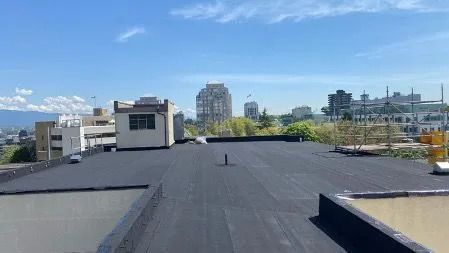
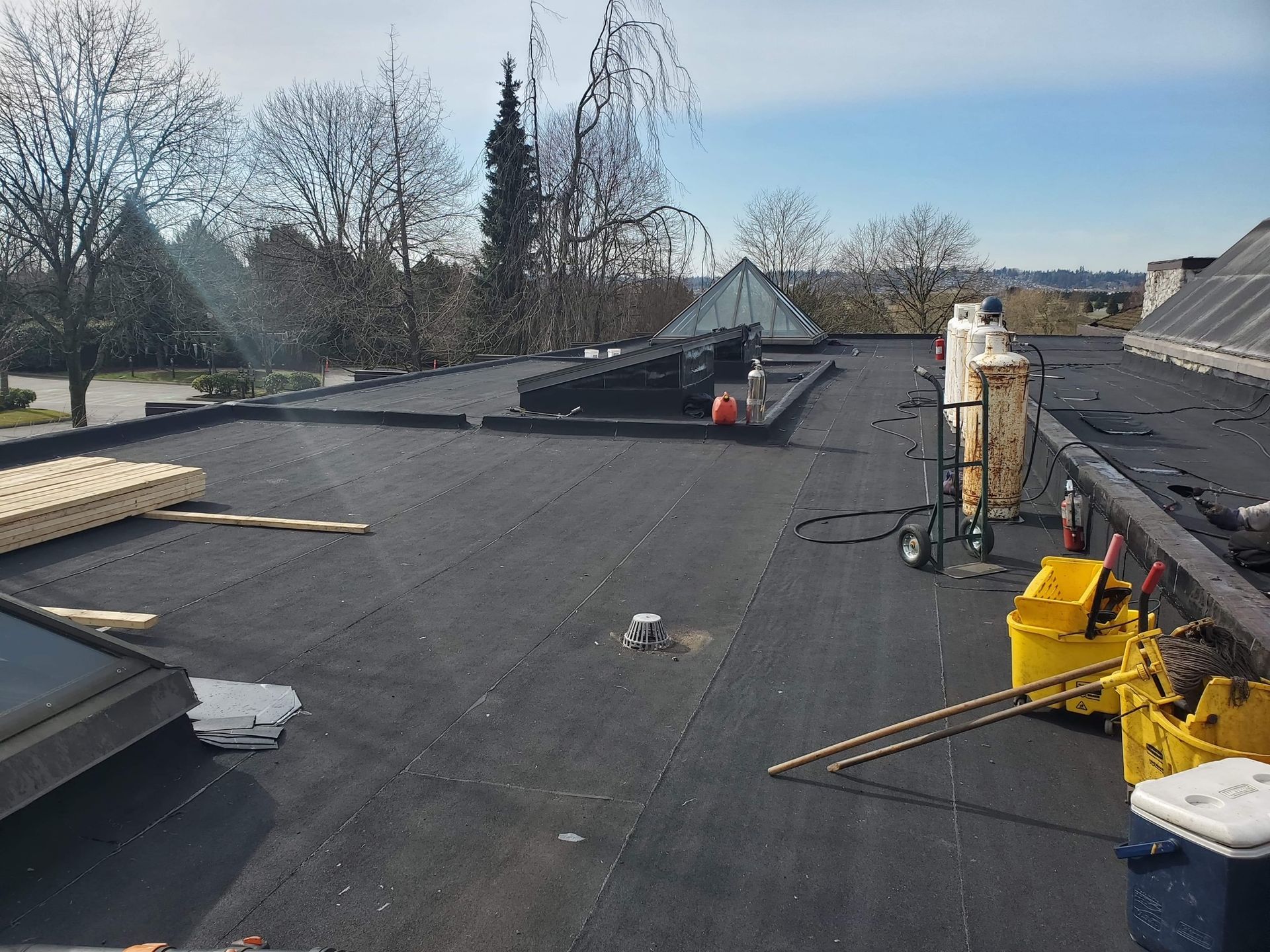
Flat roofs rely entirely on internal drains and scuppers to shed water. A single handful of wet leaves can block a drain and cause thousands of pounds of standing water to accumulate.
- Debris Guard Cleaning: Remove all branches, dirt, and plastic bags from the cast iron drain domes located at the lowest points of the roof.
- Strainer Replacement: Replace any cracked or missing drain strainers immediately to prevent gravel from washing down and clogging the interior plumbing.
- Flow Testing: Run a garden hose directly into the drain to verify the water flows quickly without backing up onto the membrane.
This dedication to prompt exterior care is something our clients notice firsthand.
►Client Experience: Addi McFegan shared "Great service! Fixed a small leak in my roof before the rain came."
Addressing vulnerable areas proactively prevents stressful interior water damage, just as Addi experienced.
Tip 3: Checking Masonry Control Joints
Concrete and brick buildings shift constantly. The flexible control joints between these rigid materials take massive abuse from the elements.
- Sealant Shrinkage: Inspect the vertical caulking lines for gaps where the material has pulled away from the brick face.
- Backer Rod Integrity: Ensure the foam backer rod behind the sealant is not visible or popping out of the joint.
- Weed Removal: Pluck any small weeds or moss growing inside the mortar joints, as root systems hold moisture against the wall.
Tip 4: Scheduling Proactive Sealant Replacement
Commercial sealants have a specific lifespan. Waiting for them to fail completely guarantees water intrusion.
- Cutting Out Old Caulk: Never apply new sealant directly over dirty, peeling caulk. The old material must be scraped down to the bare substrate.
- Priming The Joint: Apply a liquid primer to porous brick or concrete surfaces before caulking to ensure maximum chemical adhesion.
- Tooling The Bead: Use a specialized metal spatula to press the wet urethane tightly against both sides of the gap for a watertight seal.
Frequently Asked Questions
When is the best time to do building envelope repairs?
Late summer and early autumn provide the best conditions for building envelope repairs in British Columbia. The dry weather allows structural sealants, concrete patches, and commercial roofing adhesives to cure completely before the heavy seasonal rains begin.
Can exterior building maintenance be done in the rain?
Most liquid applied sealants and roofing adhesives cannot be installed on wet surfaces. Moisture prevents the chemicals from bonding to the substrate. We closely monitor local weather radars to schedule exterior envelope work during safe, dry weather windows.
What happens if you ignore cracked building caulking?
Ignoring cracked window caulking allows driving rain to bypass the exterior cladding and soak the wooden framing studs. Over a single winter, this trapped moisture feeds toxic black mold and rots the structural supports hidden behind your drywall.
Taking Action Before The Storms Hit
You do not have to cross your fingers and hope your building survives the upcoming rainy season. Implementing a strict envelope maintenance strategy keeps your property dry and secure. Contact our team today to schedule an expert exterior inspection.
Share This Blog